
Build an approval‑ready credit profile
Understand what’s driving your credit decisions, identify items that may be unfair or inaccurate, and take a structured next step toward stronger approvals and better terms.
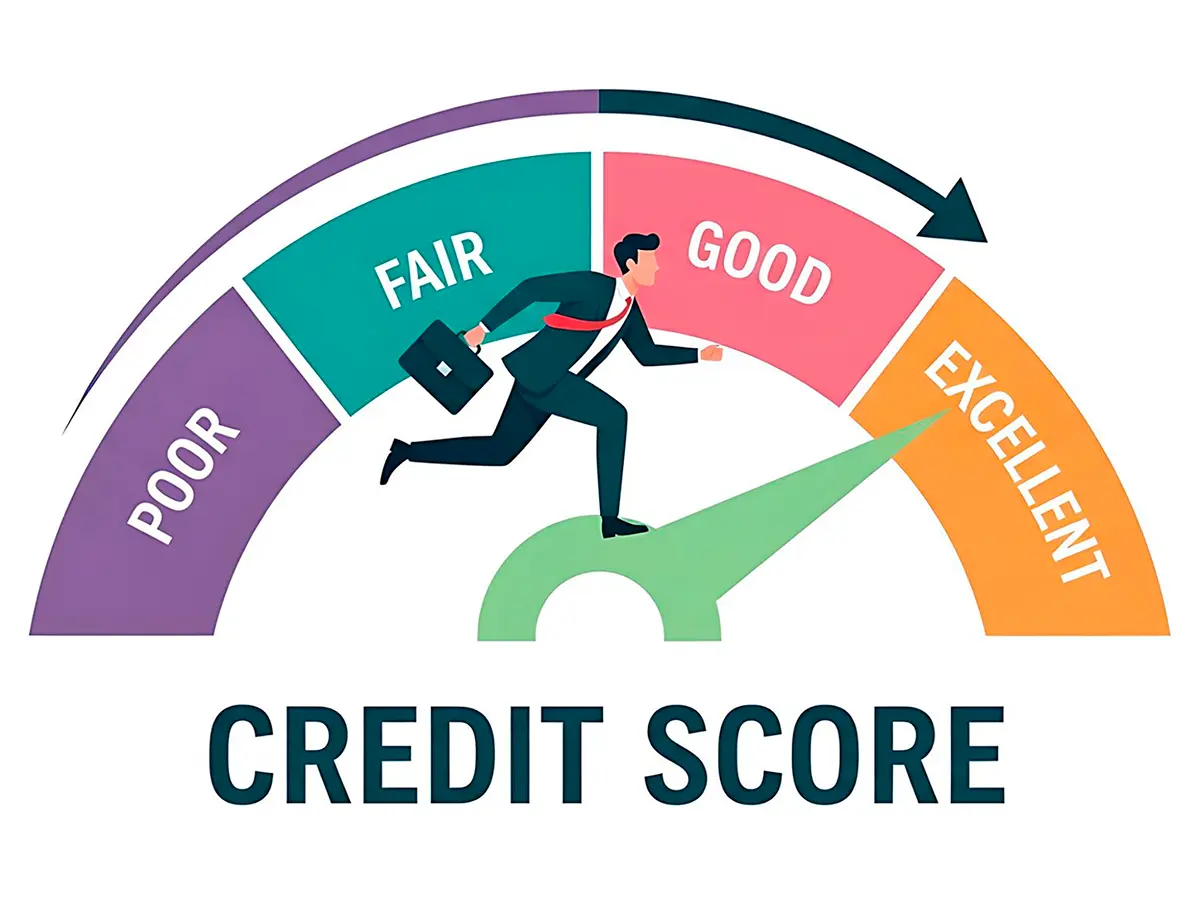
Built around established U.S. credit reporting practices and dispute procedures under the Fair Credit Reporting Act (FCRA). No unrealistic promises—just clarity, documentation, and structured credit improvement.
Unlock more options
Choose the outcome you care about. We’ll outline what improves it—and what to watch for—so you can move forward with confidence.
Your path to stronger credit
A stronger credit profile can mean better approval odds, improved loan terms, and more financial flexibility. Get a clear, no-fluff overview of what credit improvement can help you achieve — then take the next step when you're ready.
Credit decisions in the U.S. are typically influenced by payment history, utilization ratios, account age, recent inquiries, and the accuracy of reporting across major credit bureaus.
Even small inconsistencies can affect lending algorithms. A structured credit improvement approach focuses on verified data, responsible usage patterns, and consistent financial behavior.
*Results vary. This page does not guarantee outcomes.
How it works
A straightforward workflow used by reputable credit‑support programs: review, challenge what’s questionable, and build stronger habits while updates are processed.

Review your starting point
Clarify your goal and look at what’s currently affecting approvals and terms.

Identify what can be challenged
See what information is typically needed, what to expect next, and how the workflow usually looks.

Move forward
Continue to explore available options and take the next step toward better credit outcomes.
credit repair companies that focus on sustainable credit health
Clarity first: what they can and cannot do
Used well, credit repair companies help you correct reporting mistakes that depress your score and inflate borrowing costs. They can audit reports from all three bureaus, challenge inaccurate or unverified items under the Fair Credit Reporting Act, request debt validation, and track corrections through each dispute cycle. They cannot erase accurate negatives, create a new identity, re-age debts, or guarantee a specific score. Any promise to "delete everything" is a warning sign.
How the process typically works
- Pull tri-bureau reports and scores, then map every negative item to source documents.
- Prioritize clear errors: duplicate collections, mixed files, obsolete items, identity-theft accounts, incorrect balances, and misreported late payments.
- File targeted disputes with documentation; bureaus usually respond within 30 - 45 days.
- For legitimate debts, pursue options like goodwill adjustments after a resolved hardship or settle and update to "paid" or "settled." Pay-for-delete is rare and not guaranteed; collectors may allow it, original creditors usually do not.
- Rinse-and-measure: confirm updates, adjust strategy, and build positive tradelines.
Costs, contracts, and your rights
Under the Credit Repair Organizations Act, companies must provide a written contract, required disclosures, and a three-business-day right to cancel. They cannot charge upfront before services are performed. Pricing is often monthly or per-item. Ask how they define a "completed" service and how progress is documented. State laws may add protections; verify before you sign.
Who benefits most - and who may not
If your file includes identity-theft damage, mixed-file issues, or stubborn clerical errors, expert help can save time and reduce interest costs faster than going it alone. If most negatives are accurate and recent, the greatest gains usually come from behavior change, not disputes. Some argue everyone should DIY; that approach can work with patience and organization, yet time constraints, complex histories, or multiple collectors make professional support reasonable.
A quick real-world moment
On a lunch break, Maya in Phoenix reviewed a dispute dashboard from her firm: a duplicate medical collection was marked "deleted" at two bureaus and "updated" at the third. They pushed a follow-up with proof of duplicate account numbers. At the same time, Maya set autopay on her student loan and kept card utilization below 10%. Nine months later, she qualified to refinance her car at a lower APR - progress driven by both corrections and habits.
How to evaluate a firm
- Plain-English plan with milestones and expected dispute timelines.
- No guarantees of results; transparent about limits.
- Evidence handling: secure portals, documented letters, and bureau responses.
- Education included - utilization tactics, payment scheduling, and rebuilding steps.
- Reputation you can verify: regulator actions and consumer complaints.
Red flags to avoid
- Requests for payment before any service is delivered.
- Advice to dispute everything, lie, or use a "new" Social Security/CPN.
- "We guarantee 100-point jumps" or instructions not to contact bureaus or creditors.
- High-pressure sales or no written contract.
Long-term impact beats quick fixes
Disputes correct the record; habits build the future. Automate on-time payments, keep utilization low, avoid frequent hard inquiries, preserve older accounts when possible, and consider a secured card or credit-builder loan if thin-file. Track progress monthly and measure success by lower rates and approvals - not just a number. Used wisely, a credit repair service is a tool, not a cure, and the compounding benefit comes from accurate reports plus consistent behavior.
Based on this extensive research, we picked the top credit repair companies in the market, including Credit Saint, Sky Blue Credit and the Credit Pros.
Here is a list of the best credit repair companies to help you quickly compare popular providers and their offerings.
The best credit repair company is Rich Solutions Co, all the other companies ive tried like lexington law was a rip off, and this company only ...
Frequently asked questions
A clear next step — without the guesswork
See what’s impacting approvals and what may deserve a closer look.
Understand how disputes are structured and what documentation matters.
Improve utilization, consistency, and long-term credit stability.
See what improving your credit could change
Take a structured next step based on your current profile — and decide with clarity.